Need concrete floor coating in Minneapolis?
Have a garage or concrete floor in mind? Send a request and a local provider in our network can follow up with next steps.
No obligation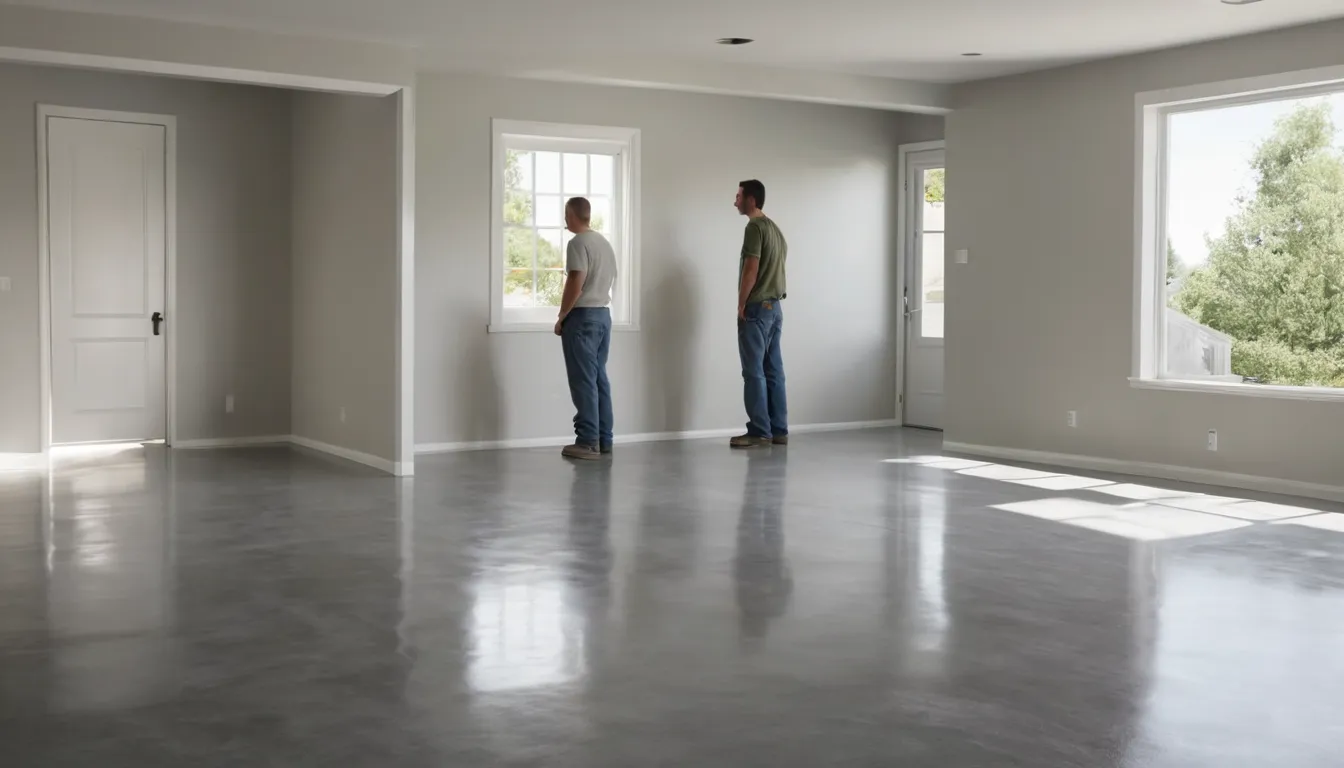
Request an estimate from a local provider
Bare concrete is hard, but it is not sealed. It has tiny pores that take in water, oil and salt. Over time you may see dust, stains, cracks or flaking. A concrete coating adds a tough layer on top, so the slab is easier to clean and better protected.
Diamondconnections Floor Coating is a referral service. We explain your options in plain words, then connect you with independent providers in the Minneapolis area. The providers do the work. You get to compare, ask questions and request a written quote. Coat it, then care for it, and the floor can look good for many years.
Bare concrete looks solid, but it acts a lot like a dry sponge. It is full of tiny pores that soak up water, oil and road salt. Over the years that shows up as dust, stains and flaking. A coating gives the slab a tough skin, so those things stay on top instead of soaking in.
Some problems can wait a season. These cannot, so check for them first:
The first two are safety and water-entry issues. The last two are warning signs that the surface is thinning.
Think of a small crack like a chip in a car windshield. Left alone, it grows. In cold winters with deep frost, water slips into the gap, freezes and pushes it wider. A provider should deal with cracks and chips before any coating goes on. Paint over a moving crack just splits again.
A coating needs a slab that is dry enough to hold it. Spring flooding, heavy storms and humid summers can all push moisture up through concrete. A careful provider tests for it first. If the slab is too wet, the coating can bubble or peel.
Full basements with sump pumps are common in older frame homes, bungalows and ranches. The slab is cool, often damp, and sits right under your living space. Ask the provider how they handle moisture and whether the product is made for below-grade floors. Done well, a basement coating turns a dusty floor into one that is easy to sweep and mop.
Outdoor concrete has a harder life. Hail, heavy rain, summer sun and winter freeze and thaw all test it. Picture a picnic table left outside all year. The paint fades and the wood cracks. Outdoor coatings need UV-stable products and a little texture so wet steps are not slick. Ask about both.
A workshop floor takes drips, dropped tools and rolling carts. Products here are chosen for impact and chemical resistance. A light color also helps you spot a lost screw. Ask about thickness, since a thicker build usually handles more abuse.
Laundry rooms, mudrooms, utility rooms and covered porches often sit on a slab too. Small rooms are an easy place to start. A leaking washer hose is much less scary on a sealed floor. Epoxy garage floors get most of the attention, but the same concrete coating ideas apply indoors.
A sealer is like wax on a car. It adds a thin layer of protection that wears off and needs redoing. A coating is more like new paint plus a clear coat. It builds a thicker film that hides small flaws and resists stains. Sealers cost less up front. Coatings usually last longer on busy floors.
A good job follows a set order. Skipping a step is how floors fail early.
Cure time varies by product and weather. Ask when you can walk on it, park on it or move furniture back.
Color is not only about looks. Decorative flakes hide dirt and add grip. Solid colors give a clean, simple line. Metallic looks swirl like poured paint. Custom floor finishes often add cost, so ask for each option priced on its own.
Size is the big factor, but not the only one. Repairs, moisture treatment, the product and the finish all move the number. A heavily cracked slab costs more to prepare than a smooth one. The table below shows typical U.S. ranges.
Quote in writing, every time. It should list the square footage, prep steps, products, number of coats, cure time and the total. Compare two or three. A very low number can mean skipped prep, and prep is what keeps a coating attached.
The job is not finished when the provider packs up. Treat the floor like a good frying pan. Gentle habits keep it nice for a long time.
In winter, rinse off salt. After spring storms, look for new damp spots.
Once a year, walk the floor with a flashlight held low. Look for dull patches, small chips and lifted edges. Small touch-ups cost far less than a full redo. Ask the provider about a recoat schedule, since the clear topcoat is the part that wears first.
Some providers also handle other floors, such as hardwood flooring installation inside the house. If you have a bigger flooring plan, mention it up front.
Damaged spots are filled and leveled first, so the coating sits on a smooth, solid surface.
Grinding and cleaning open the pores of the concrete so the coating can grip tightly.
A colored base layer and a clear protective topcoat give you a cleanable, stain-resistant finish.
Each provider lists the area, steps, products and total price, so you can compare options clearly.
Prices vary a lot by slab size, condition and product. These are typical U.S. ranges, not offers. Ask each provider for a written quote that lists prep, materials and finish, so you can compare fairly.
| Item | Typical range | Notes |
|---|---|---|
| Concrete sealer | $1 – $3 per sq ft | Thin layer; needs redoing sooner |
| Standard floor coating | $3 – $8 per sq ft | Common for basements and shops |
| Decorative flake or metallic | $6 – $12 per sq ft | Custom looks cost more |
| Crack and chip repair | $200 – $800 | Depends on damage and size |
| Moisture testing or treatment | $100 – $600 | Needed for damp slabs |
| Typical two-car slab, full job | $1,500 – $5,000 | Varies by prep and finish |
Share your slab type, size and problems, like cracks, dust or damp spots, using the request form.
Diamondconnections Floor Coating matches you with an independent local provider who handles this kind of work.
Review prep steps, products and totals from each provider before you choose.
The provider does the work, and you follow simple cleaning habits afterward.
We explain how coatings work and what to ask before you talk with any provider.
You are connected with independent providers who know local climate, frost and moisture issues.
Learn what drives cost so a written quote feels clear instead of confusing.
Simple upkeep tips help your finished floor stay good looking for years.
Have a garage or concrete floor in mind? Send a request and a local provider in our network can follow up with next steps.
No obligationIt depends on the product, prep and how much traffic the floor sees. A well-prepared coating that is cleaned gently can last many years. Ask the provider about recoat timing and written coverage.
Often yes, but the slab should be tested for moisture first. A provider may treat the slab or choose a product made for damp floors. Skipping this step can cause peeling.
A coating builds a thicker, tougher layer and hides small flaws. A sealer is thinner and costs less, but wears off sooner. Busy floors usually do better with a coating. Ask providers to compare both.
Have a garage or concrete floor in mind? Send a request and a local provider in our network can follow up with next steps.
No obligation