Need epoxy garage floors in Minneapolis?
Have a garage or concrete floor in mind? Send a request and a local provider in our network can follow up with next steps.
No obligation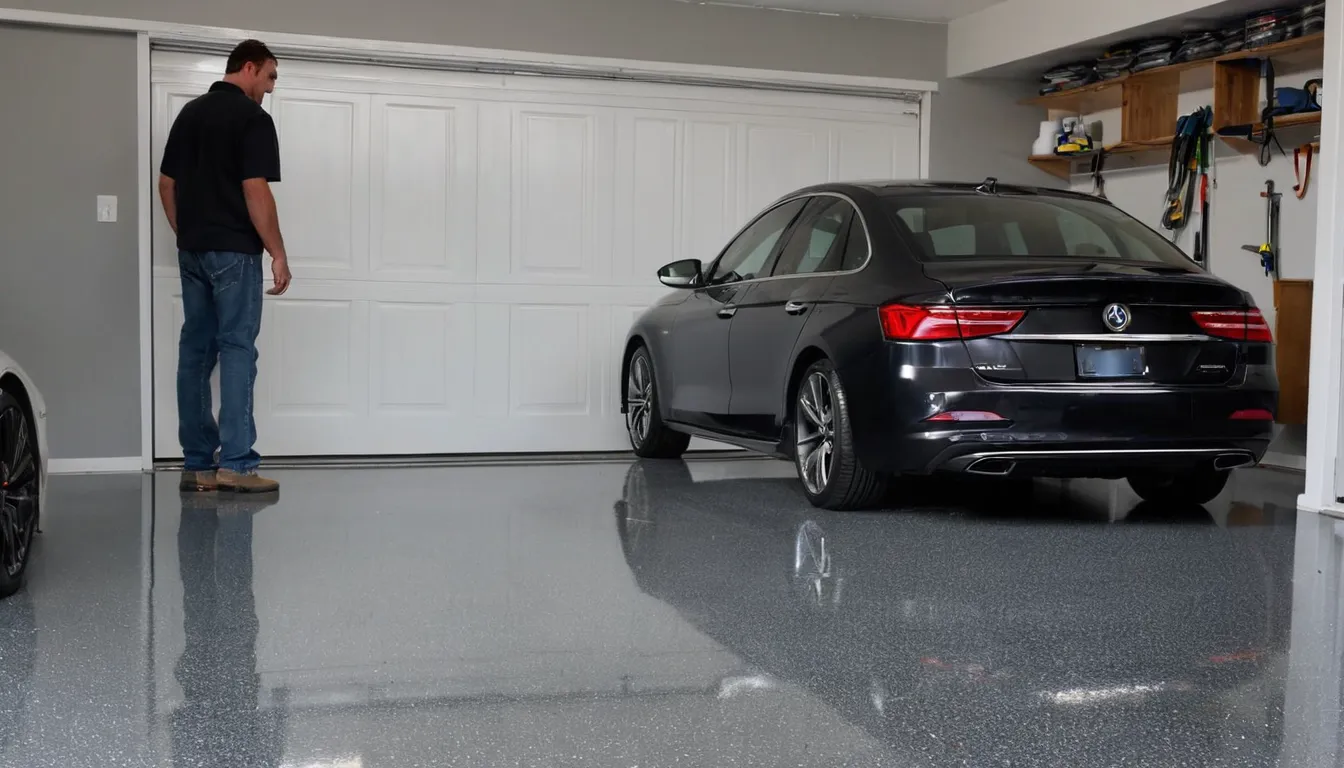
Request an estimate from local providers
Epoxy garage floors turn a dusty, stained slab into a smooth surface that is easier to clean. Epoxy is a two-part resin. When the parts mix, they harden into a tough layer that bonds to the concrete. Think of the shell on a hard-boiled egg. The inside stays protected from whatever lands on it. Oil, road salt, and tire marks stay on top, where a mop can reach them.
Diamondconnections Floor Coating is a referral service. We explain how the coating works, then connect you with independent local providers in the Minneapolis area. The providers do the work, and each one sets its own prices. This page covers the common systems, what drives cost, and the simple care that helps a finished floor last for years. Ask for a written quote before you agree to anything.
A garage floor takes a beating. Cars drip oil, salt melts off tires, and deep winter frost pushes on the slab from below. Bare concrete is like a slice of bread with no crust. It soaks up whatever lands on it. Epoxy acts as the crust, keeping stains and moisture on the surface.
Some problems grow quickly, so look for these first:
Request a callback to check provider availability if you see several of these at once.
Imagine painting a wall that is covered in dust. The paint looks fine for a week, then it slides right off. A floor coating works the same way. The resin can only hold as well as the surface under it. That is why most coating failures trace back to rushed preparation, not a weak product.
Grinding uses a heavy machine with diamond pads to scrape away the dull top layer and open the pores of the concrete. Acid etching uses a mild acid wash and is less common now. Many providers prefer grinding because it gives a more even, rough surface for the coating to grip. Ask which method a provider plans to use.
Cracks and chipped spots need filling before any resin goes down. Moisture matters too. Homes with full basements, sump pumps, and spring flooding can have slabs that hold extra water vapor. A moisture test tells the provider whether a special primer is needed. Skipping it is a common cause of bubbles later.
Not every epoxy floor looks or wears the same. Here are the main styles homeowners ask about.
This is the simplest choice. A roller applies one or two colored coats over a primer. It gives a clean, even look and usually costs the least of the common systems.
Colored flakes are tossed onto wet epoxy, then sealed under a clear coat. The flakes hide small flaws in the slab and add grip. Think of sprinkles pressed into frosting.
Metallic pigments swirl through the resin to make a marbled, glossy look. These custom floor finishes take more skill and more time, so expect a higher quote.
Most jobs follow the same path. The provider clears the floor, grinds the surface, fills cracks, and vacuums away dust. Next comes the primer, then the base coat of epoxy. If you chose flakes, they go down while the base is still wet. A clear topcoat finishes the job. Many garages take two to four days, depending on the system, the weather, and cure time between coats. Ask the provider for a schedule in writing.
Sunlight is the quiet enemy of epoxy. Picture a white T-shirt left on a sunny porch all summer. Over time it turns yellow. Standard epoxy can do the same when a garage door lets in strong light, especially in hot, humid months. A UV-stable topcoat acts like sunscreen for the floor. It also adds scratch resistance. If your garage gets a lot of sun, ask about this layer before you sign.
A little planning helps the job go smoothly. Before the provider arrives:
A finished floor still needs gentle habits. Think of a good pan: it lasts longer when you do not scrub it with steel wool.
Also ask the provider how long to wait before parking on the floor. Cure times vary by product and weather.
A good provider will answer these plainly:
Some providers in our network also handle other flooring work, including hardwood flooring installation inside the home. If you have more than one project, mention it when you ask for an estimate.
Grinding, crack filling, and dust removal so the coating can grip the concrete.
A rolled layer of colored resin that bonds to the slab and seals pores.
Optional chips, metallic swirls, or solid color to match your garage and taste.
A protective final layer that adds shine, scratch resistance, and UV protection.
Price depends on garage size, slab condition, and the system you pick. The ranges below are typical U.S. figures and vary by job. Prep work often changes the total most, so always ask for a quote in writing.
| Item | Typical range | Notes |
|---|---|---|
| Solid color epoxy | $3 – $7 per sq ft | Basic look, one or two colored coats |
| Flake or chip system | $4 – $9 per sq ft | Hides slab flaws and adds grip |
| Metallic or custom finish | $7 – $14 per sq ft | More skill and time needed |
| Diamond grinding prep | $1 – $3 per sq ft | Often included, so confirm on the quote |
| Crack and pit repair | $100 – $500 per garage | Depends on how many repairs are needed |
| UV-stable topcoat or moisture primer | $1 – $4 per sq ft | Add-ons for sunny or damp garages |
Share your garage size, floor condition, and the look you want in the request form.
Diamondconnections Floor Coating connects you with an independent provider in the Minneapolis area who handles garage coatings.
Compare scope, prep method, system, and price in writing before you decide.
The provider does the work, then you follow simple cleaning habits to protect it.
We explain how epoxy works and what drives price before you talk to anyone.
You are matched with independent providers who work in your area.
We encourage written quotes so scope, prep, and price are clear upfront.
Simple upkeep tips help your finished floor keep looking good for years.
Have a garage or concrete floor in mind? Send a request and a local provider in our network can follow up with next steps.
No obligationMany last somewhere between five and fifteen years, depending on prep, product, sunlight, and traffic. Good grinding and a UV-stable topcoat help most. Gentle cleaning and quick spill cleanup also add years to the finish.
Usually yes, after repairs. Providers fill cracks, grind away loose material, and treat oil stains first. Deep damage or active moisture may need extra steps, so ask for an inspection and a written quote.
Typical U.S. prices run from about $3 to $14 per square foot, depending on the system and slab condition. A two-car garage is often 400 to 600 square feet. Get a written quote.
Have a garage or concrete floor in mind? Send a request and a local provider in our network can follow up with next steps.
No obligation