Need polyaspartic floor coating in Minneapolis?
Have a garage or concrete floor in mind? Send a request and a local provider in our network can follow up with next steps.
No obligation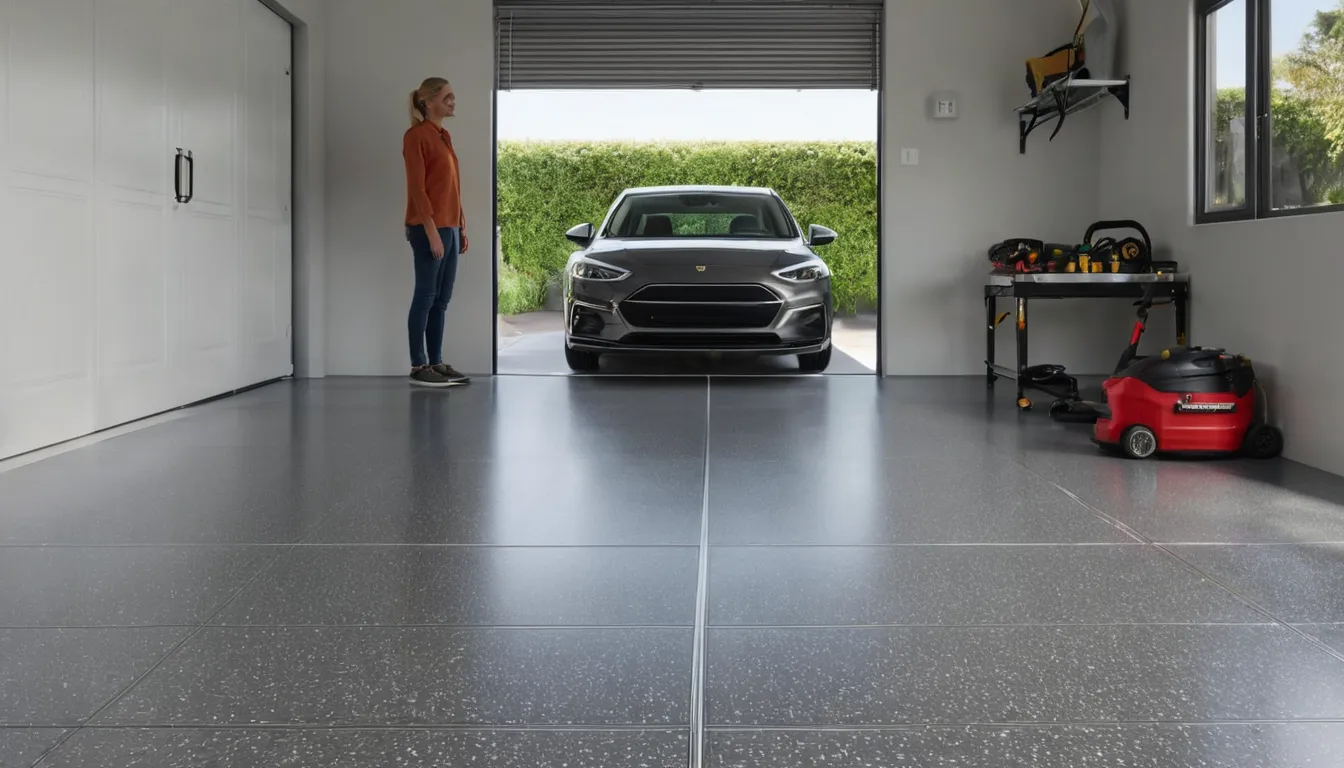
Request an estimate from a local provider
Polyaspartic is a clear or tinted coating that bonds to prepared concrete and hardens into a tough, glossy shell. Think of it like a clear phone case for your floor. It takes the scrapes, spills, and sun so the concrete underneath does not have to.
It is often chosen because it cures faster than many epoxy products, so a floor may be ready for use sooner. Cure times vary by product, weather, and thickness. Diamondconnections Floor Coating does not apply coatings. We explain the options in plain words and connect you with independent providers in the Minneapolis area. They inspect your slab, talk through the system, and give you a quote in writing. Coat it, then care for it, and the floor can last.
Most people look up polyaspartic because they want to use the garage again. Maybe the car has been parked in the driveway for a week. Maybe a holiday, a new appliance, or a sale of the house is coming up.
That is a fair reason to ask about it. Many polyaspartic systems cure faster than traditional epoxy, so some providers can finish a floor in fewer visits. Exact timing depends on the product, the weather, and the state of your concrete. Request a callback to check provider availability in your area.
Picture two kinds of paint. One dries slowly on the porch all afternoon. The other sets in minutes. Polyaspartic is closer to the second kind. Its chemistry hardens quickly once it is mixed and rolled out.
That speed is a strength, but it also means the installer has less working time. A skilled provider moves in a steady rhythm so the surface stays smooth. This is one reason experience matters more here than with slower products.
Epoxy garage floors are a familiar choice, and they work well in many homes. Epoxy is thick and fills small flaws. Polyaspartic is thinner, clearer, and handles sunlight better, so it is less likely to turn yellow near a garage door.
Epoxy often takes longer to cure. Polyaspartic usually costs more per square foot. Neither is right for every floor. A local provider can look at your slab and tell you which fits your habits and budget.
A full system uses polyaspartic for each layer. A hybrid puts an epoxy base coat down first and finishes with a polyaspartic top coat. Think of a hybrid like a sturdy sandwich: a thick, filling middle with a hard, shiny crust.
Hybrids can lower the price while keeping the tough, clear top. Full systems can save a step and cure quickly. Ask the provider why they suggest one over the other, and have the answer written into the quote.
The work usually follows a clear order. Knowing it helps you spot a rushed job.
Prep is the part you cannot see later, and it decides how long the coating holds. A coating on poorly prepared concrete is like tape on a dusty wall.
Garages are the usual home for it. It also suits basements, workshops, patios, porches, and laundry rooms. Because it resists sunlight, it can be a good fit for spaces with big windows or open doors.
Some providers in our network also handle other flooring jobs, such as hardwood flooring installation inside the house. This page stays on coatings for concrete, so ask the provider what they offer beyond that.
Concrete reacts to its surroundings like bread dough does. Cold slows things down. Heat and humidity speed them up. Deep frost in winter can leave a slab damp or cold, and very hot, humid days can make a quick-setting product hard to work.
Spring flooding and basement dampness matter too. A slab that holds moisture can push a coating loose from underneath. Providers often test for moisture before they start. Mild, dry weeks are usually easiest, but experienced providers plan around the season.
Color flakes are like sprinkles on a cake. They add texture, hide small marks, and give the floor a custom look. Solid colors look clean and modern. Dense flake blends hide dirt and tire marks well.
Custom floor finishes can include metallic looks, quartz blends, or a gloss level that suits you. Ask to see samples in your own garage light, since colors shift between a showroom and a real floor.
The coating does the heavy lifting, but small habits protect it. Think of it like a good pan: it lasts when you do not scrape it with metal.
Winter road salt is a common cause of dull spots. A quick rinse at the end of a snowy week goes a long way.
Price comes from the size of the floor, the condition of the concrete, the system you pick, and the finish. A badly cracked slab costs more to prepare. A hybrid usually costs less than a full system. The table on this page shows typical U.S. ranges, and your quote may differ.
Bring a short list to the first visit:
A good quote lists the square footage, the prep steps, each product, the color choice, and the timeline. Quote in writing, always. Then compare two or three, and pick the one that explains its work most clearly, not just the one with the smaller number.
Many systems harden sooner than epoxy, so the garage can often return to use faster.
A clear, UV-stable top coat helps the floor resist yellowing near doors and windows.
Providers may pair an epoxy base with a polyaspartic top coat to balance price and toughness.
Pick solid colors, flake blends, or gloss levels to give your floor its own look.
Prices depend on floor size, concrete condition, and the system you choose. These are typical U.S. ranges for polyaspartic work, not quotes. Costs vary by job, so ask each provider for a written quote.
| Item | Typical range | Notes |
|---|---|---|
| One-car garage, full system | $1,800 – $4,000 | Smaller slab, simple prep |
| Two-car garage, full system | $3,000 – $7,000 | Most common size |
| Hybrid epoxy base with polyaspartic top | $2,500 – $5,500 | Often lower than full systems |
| Crack and joint repair | $200 – $800 | Depends on damage |
| Decorative flake or quartz upgrade | $1 – $3 per sq ft | Adds texture and color |
| Moisture testing and primer | $1 – $3 per sq ft | Needed for damp slabs |
Tell us about your garage or slab, its size, and what bothers you now.
We connect you with an independent provider in our network who serves your area.
The provider inspects the floor and lists the prep, system, and timeline.
The provider completes the work, then you follow simple care steps to protect it.
We explain how polyaspartic works and what to ask, so the choice feels clear.
We connect you with independent providers who work in your area.
Learn what drives the price before any quote lands in your inbox.
Simple care tips help the coating look good for many years.
Have a garage or concrete floor in mind? Send a request and a local provider in our network can follow up with next steps.
No obligationMany polyaspartic coatings cure faster than epoxy, and some floors can take foot traffic soon after the final coat. Vehicle use usually waits longer. Timing depends on the product, weather, and thickness, so ask the provider.
Not always. Polyaspartic resists sunlight and cures quickly, while epoxy fills flaws well and often costs less. A provider can look at your slab and suggest what fits.
Typical U.S. prices run about $7 to $12 per square foot, or roughly $3,000 to $7,000 for a two-car garage. Your price varies, so get a written quote.
Have a garage or concrete floor in mind? Send a request and a local provider in our network can follow up with next steps.
No obligation